
After years of selling advertising and marketing technology to brand, B2C marketers, who spent millions and measured very little, I transitioned to a role selling to B2B marketers who measured everything.
The small B2B marketer’s community had a whole new language and buzzwords, just like the customers they sell to. I’ve found their close relationship to their sales teams keeps them moving fast and willing to adapt quickly to change.
Here is my understanding of the history of B2B (or industrial) marketing, which is relatively new compared to its B2C counterpart.
B2B marketers are tasked with selling considered purchase products that have long sales cycles and numerous individuals on their buying committee. Big B2B brands include General Electric, Boeing, or Intel and sell their products to businesses rather than individuals.
The beginnings of B2B marketing started in the 1800s with industrial magazines like The Furrow by John Deere that taught farming techniques to farmers, and the American Railroad Journal that was published for miners and manufacturers.
B2B marketers focus very niche markets where buyers are less concerned about price and have close relationships with their sellers. Conventions and trade shows are great examples of this where you can find a trade show today for everything from concrete to realtors to doctors.
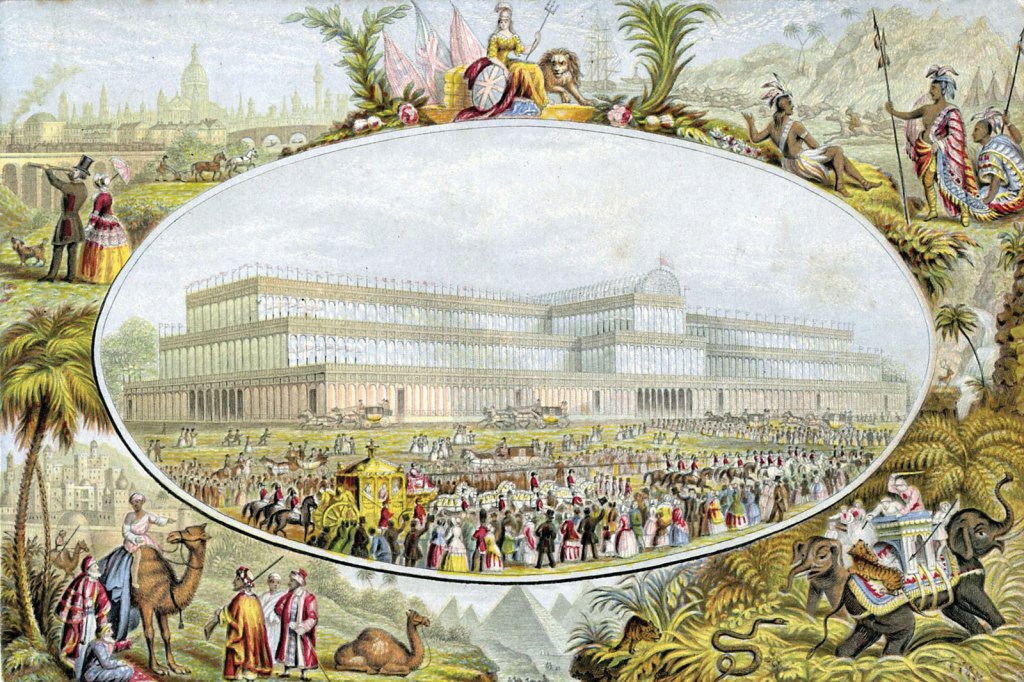
Conventions and trade shows started in 1851 with the Great Exhibition in England. The subsequent world fairs were responsible for bringing hundreds of new, niche products to buyers not concerned with price such as the light bulb, libraries, and bubble gum into the world. The trade show industry as a whole really exploded with the launch of CES in 1968 in Las Vegas.
Before the internet, B2B marketing mostly consisted of:
- Trade Catalogues
- Sales Enablement Literature
- Direct Mail
- House Organs (In-House magazines for customers like Disney Magazine, or American Rifleman)
- Conventions/Exhibits
- Advertising to the end customer.
B2B marketing was driven by big businesses that had massive growth and dominance of their markets coming out of World War II like Dow Chemical, the largest chemical company in the world. Companies like Dow Chemical were so intent on dominating their markets, they were even focused on marketing to the end customer (rather than the business) or B2B2C marketing.
Here’s a great clip from a Don Draper pitch in Mad Men pitching Dow Chemical. He brings the classic line, “you don’t want most of it, you want all of it.”
As consumers moved online, B2B marketing channels focused on:
- Website
- Social Media
- Digital Advertising
- Forums Q&A.
In 2003, the first law against SPAM mail was created as digital marketers scaled.
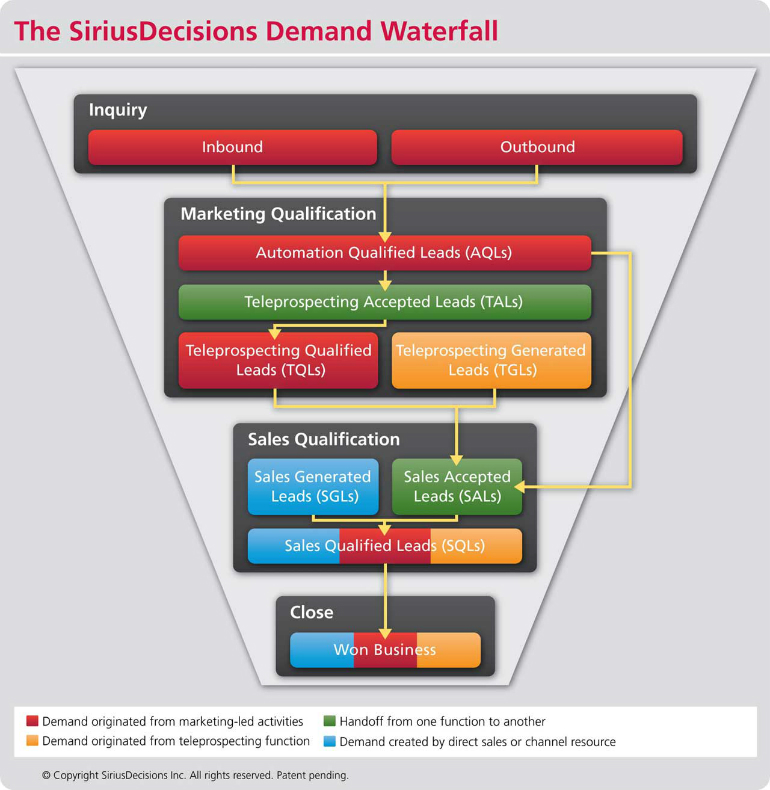
In 2002, SiriusDecisions created the Demand Waterfall which has become the industry standard for measuring return on marketing investment in the B2B marketing world.
Measuring results and personalizing messaging had a real revolution when Account-Based Marketing was created in 2004, by ITMSA’s David Munns.
There are clear indicators of what is to come with B2B marketing. COVID-19 shut down all physical trade shows overnight and helped webinar and virtual exhibit industries to explode. There is also clear indication that B2B digital marketing places will lead the way B2B buyers procure their products. Today, only 38% of B2B buyers make purchases primarily through an enterprise account rep, which makes digital, B2B marketers more important than ever.
At its core, B2B sales and marketing will always involve some type of competitive tendering process with customers. This will require incredibly close digital and physical relationships with customer, which means B2B marketers will remain one of the most agile and forward-thinking professionals there are.
If you enjoyed this content, subscribe here to my newsletter to receive future articles.
 Joshua Ballantine