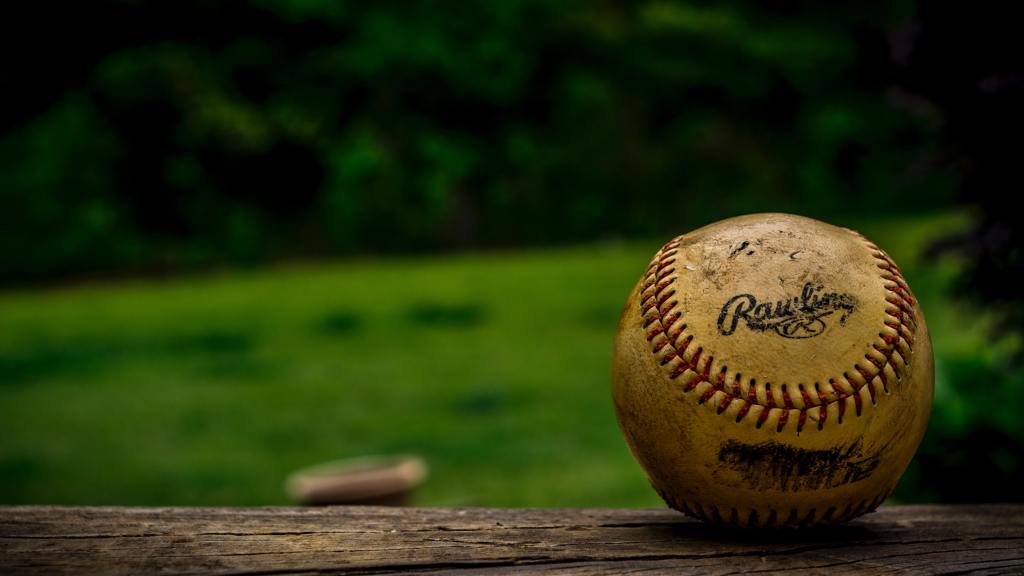
We were both 13 years old and loved Baseball.
We met at the Baseball field when my dad had dropped me off for the first time. I was scared and didn’t know anyone. I also didn’t speak the language as we were in the Cibao valley of the Dominican Republic. He knew everyone, but also didn’t speak the language because he was deaf.
Centro Juvenil Don Bosco was the center of sport culture in the small, mountain town of Jarabacoa. “Colegio de los padres” or school of the priests as it was called. Its here I met Miguel, or “El Mudo” (the mute one) as we all called him.
During Baseball days, the Colegio had hundreds of kids spread out across four Baseball fields. There were kids everywhere. The sun beat down hard without a cloud in the sky as baseballs flew in every direction. Left fielders stood right next to right fielders from games on the opposite field. Everybody shared gloves. The wealthier kids that brought their own gloves (like I did) were expected to share them.
The madness and excitement was mostly led by “Rene”, a former Major Leaguer who retired in Jarabacoa. There was 1 adult per 50 kids. The five or six adults that roamed the property were just over 18 themselves.
The fields were in the middle of the bustling city, and dozens of motorcycles crowded on the street to watch when the big players played.
The last time I played Baseball was in the calm Chicago suburbs. There were 3 coaches to 12 players, everyone had their own gloves and baseball bats, and every parent was at every game. Coaches always told me what to do.
This was very different. Drills were led by the loudest kids, and nobody was there to tell me what to do.
I sat on the bench and waited my turn. Nothing happened.
Eventually, El Mudo came over and motioned for me to give him my glove. It didn’t make sense for me to sit there and let the glove go to waste.
He joined the drills with the other kids using my glove. Fully confident and taking charge. He couldn’t speak the language, but he spoke the “language” of baseball, screaming at anyone who tried to cheat or cut in front of him in line.
After a few drills, he ran over to me a little ticked off. He threw the glove into my hand, grabbed me off the bench, and shoved me to the line to join the drills. Yelling in his unintelligible language to do something. “Why is this dumb white boy all dressed for baseball and not playing?” he probably thought to himself.
That was the encouragement I needed. I followed his direction and did exactly what he did.
Soon, I was El Mudo’s mentee. He showed me the ropes of how to get into the drills in the midst of the chaos. It all made sense once you saw the music playing underneath yelling and runnning. I started to learn Spanish too. Soon, I could be ears for El Mudo.
The danger of doing drills was that there were multiple real games happening in multiple directions, so you had to pay attention to both batters while also paying attention to the drills. I played with another American friend, Orion, that made the mistake of paying too much attention to the drill and not paying attention to the games on the side and got a ball smacked into his face. His face immediately swelled to a cantaloupe and bled all over the field, ending his playing for a few weeks. He was 10 years old.
This is where I learned versatility. I had to pick up Spanish words little by little.
“Cola” meant “end of the line” when you failed in a drill, “Tigeraso” meant “this dude is smooth and knows his stuff”, and “con fuerza” meant “hit that thing hard!”
Within a few months, I was speaking full conversations and understood what was happening. If Rene didn’t show up to open the gates to let kids in, I knew a bunch of the kids met downtown to play basketball instead. If I walked to practice, I knew there were at least five older boys who had a motorcycle that could drive me home.
El Mudo taught me this. The guy was filled with optimism and joy even though he couldn’t hear a thing. He had enthusiasm in all his actions, and it spread to anybody around him. He knew what it was like to be the outcast, and when he saw me confused and scared, he took me under his wing and helped me feel confident.
Eventually, I was off riding motorcycles with the other guys with our gloves and bats dangling from the side drinking Country Club soda and eating dulce.
There’s an energy underlying everything that happens in the Dominican Republic. The electricity goes out most days in the Cibao valley, and you just must adjust your plans and keep moving forward. The kids at Baseball taught me that. If someone didn’t have their baseball mit, you had to share.
When I was 22, I had now left the Dominican Republic and went back to visit. I brought my girlfriend to visit my family who lived in Dominican Republic.
I took her into town one night, and I saw El Mudo down there. I hadn’t seen him in a few years, but we hugged. He motioned about a new bar that opened just outside of town. He jumped into my SUV with my girlfriend, and we went.
The bar was right on the river. There was a locally famous Bachata band blasting their twangs of the Bachata guitar that would make anyone feel safe and laid back. It’s a music the ‘elites’ of the country once despised for its ‘bitter’ lyrics and rustic style.
The dance floor was the perfect size in that it wasn’t huge, so you could dance freely but not have everyone staring at you. We got our drinks, and I danced with my girlfriend who would soon be my wife.
If you enjoyed this content, subscribe here to my newsletter to receive future articles.
 Joshua Ballantine